Budget season isn’t just about crunching numbers. It’s an opportunity to take a closer look at your property, identify what needs attention and create a plan for the improvements that will protect your investment and keep your buildings looking their best. Whether you manage a multi-family community, commercial property, healthcare facility or an entire portfolio of properties, painting and renovation projects can represent a significant part of your property improvement budget.
Planning those projects early can help you prioritize the work that matters most, prepare for larger capital improvements and avoid waiting until a small maintenance issue becomes a much bigger project.
At re:fab Painting & Renovations, we work with property owners and managers to plan painting and renovation projects throughout the year. Here are some things to consider as you work through budget season.
Start With a Property Walk
Before deciding where next year’s dollars should go, take a walk around your property. Look beyond appearance and pay attention to areas showing signs of wear, damage, moisture, deterioration or heavy use.
Some things to look for include:
- Peeling, cracking or fading exterior paint
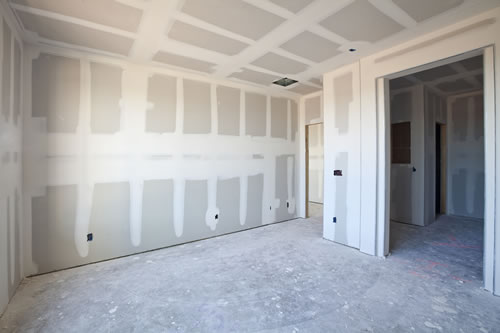
- Damaged drywall and ceilings
- Worn or outdated common areas
- Water-stained or damaged surfaces
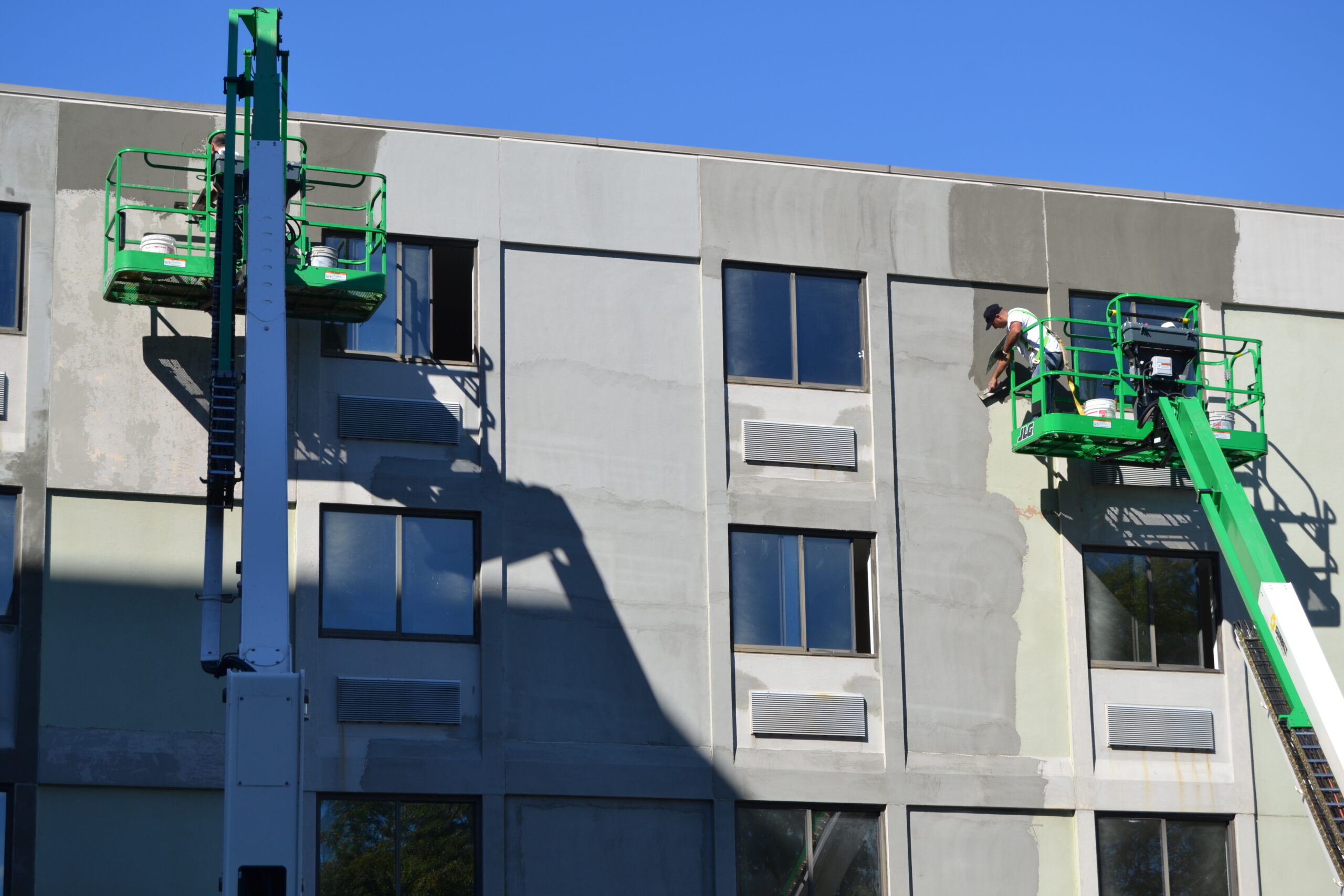
- Deteriorating trim, siding, and exterior surfaces
- High-traffic areas that need repainting
- Flooring that is damaged or nearing the end of its useful life
- Outdated units, offices, lobbies or shared spaces
- Carpentry repairs
- Exterior areas that may need repairs before they can be painted
- Spaces that could benefit from a larger renovation or smaller refresh
Creating a list now helps separate immediate maintenance needs from future capital projects.
Build Next Year’s Painting & Renovation Plan Early
Once you’ve identified the work your property needs, start prioritizing. Not every project needs to happen at once. Some projects may be cosmetic, while others can help prevent additional deterioration or address spaces that are affecting tenants, residents, patients, employees or visitors.
Consider separating projects into categories such as:
Priority Projects:
Work that should be addressed because of deterioration, damage, operational needs or ongoing maintenance concerns.
Preventative Maintenance:
Painting, repairs and improvements that can help protect surfaces and extend their service life.
Property Improvements:
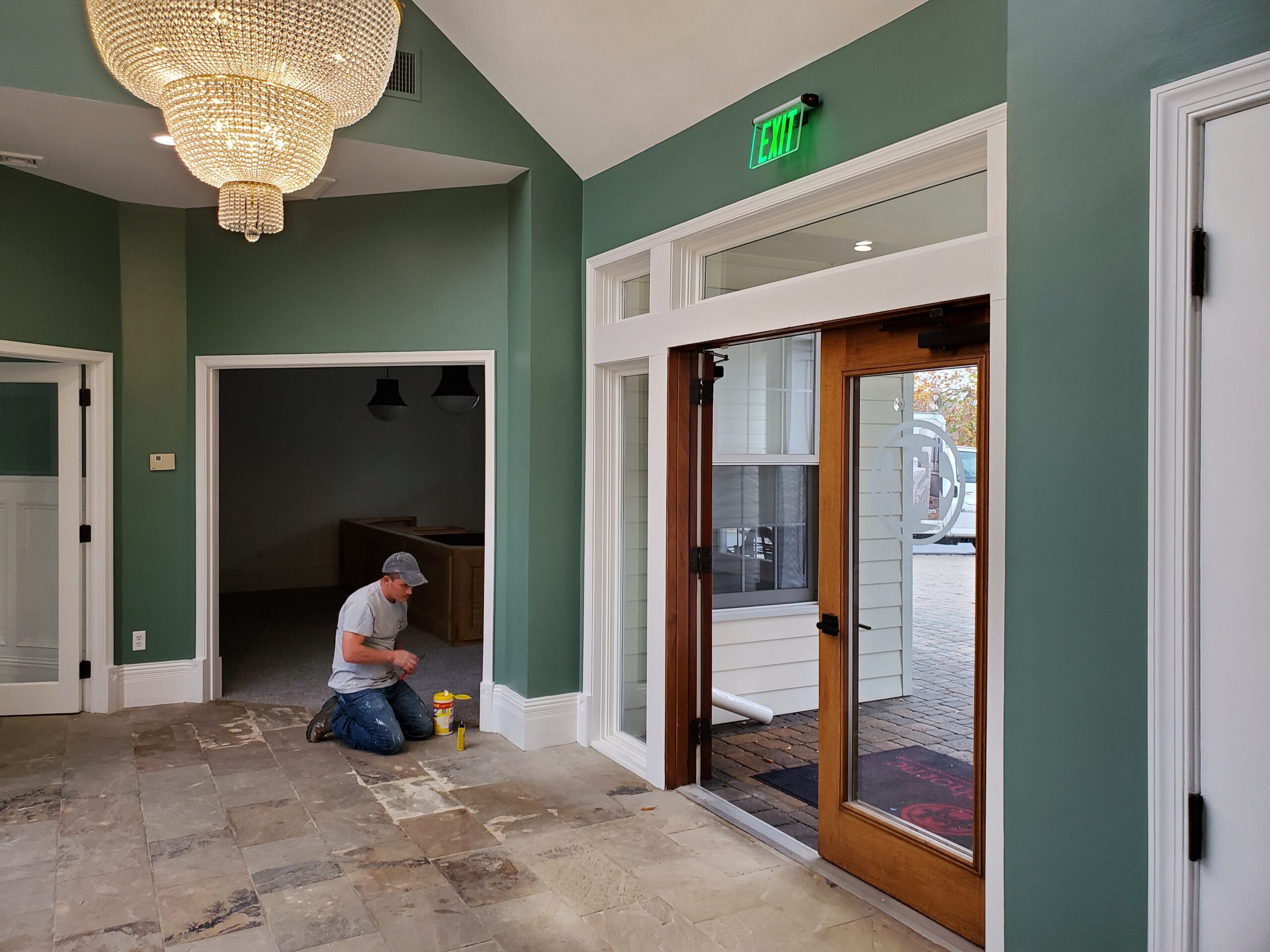
Lobby renovations, common-area updates, exterior refreshes, unit renovations, flooring and similar projects that improve the overall appearance and functionality of the property.
Long-Term Capital Projects:
Larger projects that require more planning, budgeting, phasing or coordination.
Getting preliminary pricing for these projects during budget season can give your team a much clearer picture of what should be included in the upcoming budget.
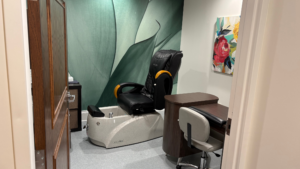
Have Money Left in This Year’s Budget?
Budget season isn’t only about next year. If you have remaining improvement or maintenance funds available, there may be projects you can tackle before the current budget period ends. Instead of spending simply for the sake of spending, look for projects that provide value to the property.
Depending on your property, those might include:
- Interior touch-up painting
- Hallway and corridor repainting
- Common-area refreshes
- Drywall and ceiling repairs
- Door, frame and trim painting
- Carpentry repairs
- Flooring replacement
- Vacant unit or space improvements
- Office repainting
- Breakroom or restroom updates
- Smaller remodeling projects
- Exterior repairs
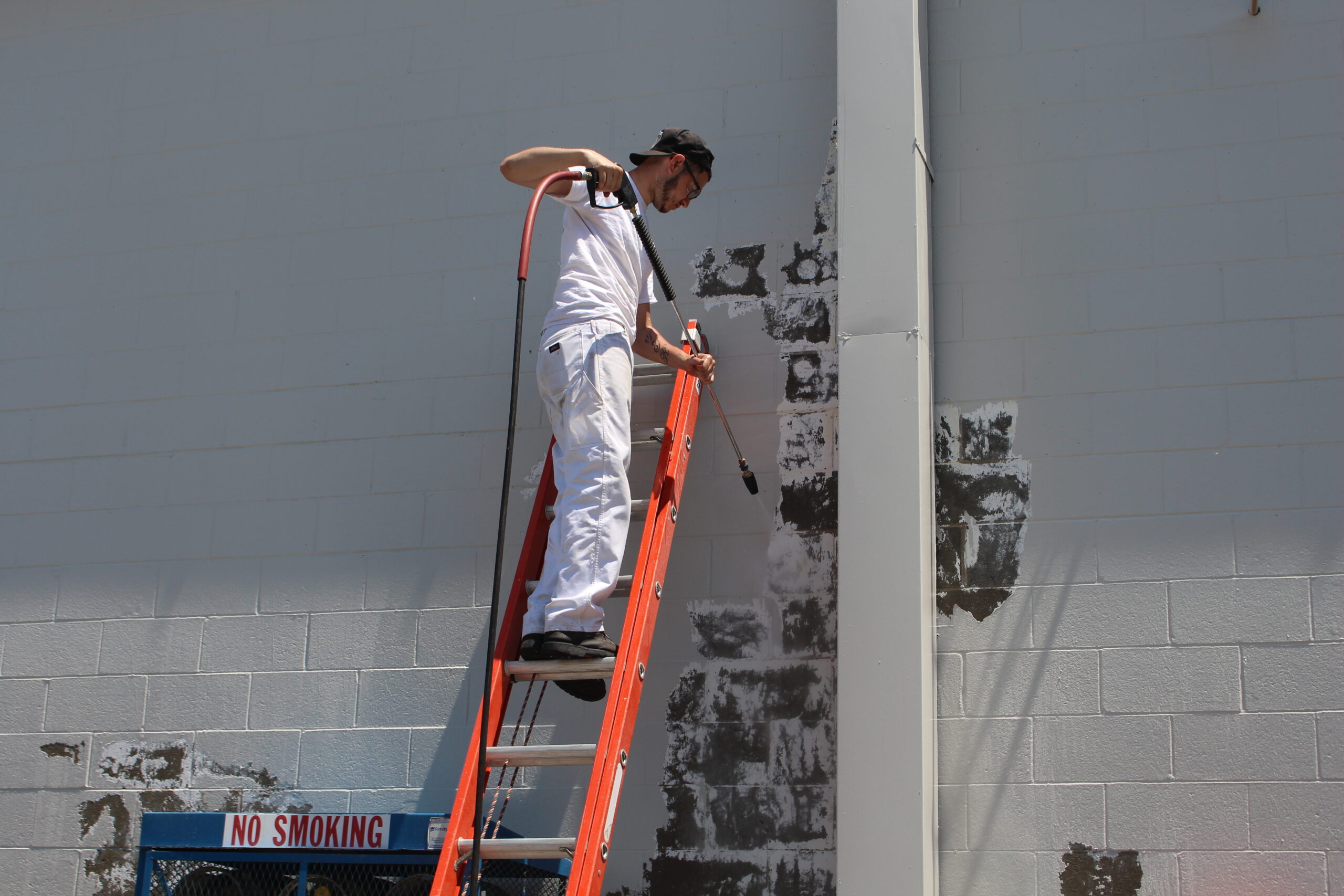
- Pressure washing and surface preparation
- Completing deferred maintenance items
You can also begin preparing for larger projects, and use what is left of these years budget as the first payment of next year’s project. Initial walkthroughs, scopes of work, budgeting, color planning and project scheduling can put you in a stronger position when it is time to move forward.
And remember, it’s important to follow your organization’s purchasing, approval, accounting and capital-budget policies when determining how remaining funds can be used.
Budget Planning Is Different for Every Property
There isn’t a one-size-fits-all approach to budget season. A multi-family community has very different priorities from an office building or healthcare facility.
Here are a few things each type of property should consider.
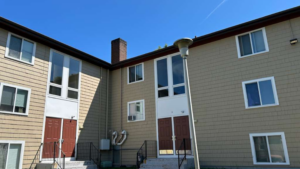
Multi-family: Think About Residents, Turnovers & Curb Appeal
For multi-family owners and property managers, budgeting often means balancing ongoing maintenance with improvements that keep communities attractive to both current and prospective residents.
Exterior appearance is an important place to start.
Consider the condition of:
- Building exteriors
- Clubhouses
- Leasing offices
- Hallways and stairwells
- Doors and trim
- Railings
- Decks and common areas
- Community amenities
Interior renovations should also be part of the conversation.
If units are regularly being turned over, identify improvements that could be standardized across future turnovers. Painting, flooring, kitchen updates, bathroom improvements and other renovations can potentially be planned instead of approached as one-off projects every time a unit becomes vacant.
For larger communities, consider whether improvements can be completed in phases rather than trying to tackle the entire property at once.
Multi-family Budget Tip
Develop a multi-year improvement plan. Instead of waiting until an entire property needs repainting or renovation, break larger projects into manageable phases that can be planned around occupancy, available budget and property priorities.
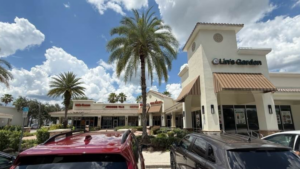
Commercial Property Management: Plan Across the Portfolio
Commercial property managers are often responsible for more than one building, which makes prioritization especially important.
Start by ranking properties and projects based on condition and need.
Consider:
- Exterior painting
- Common areas
- Lobbies and entrances
- Offices
- Vacant suites
- Tenant improvement work
- Hallways and stairwells
- Restrooms
- Flooring
- Drywall and carpentry repairs
- Exterior maintenance
A property that still looks good may only require smaller preventative maintenance projects, while another building may need a larger repaint or renovation.
Budget season is also a good opportunity to think about tenant schedules and building operations.
Can work be completed after hours? Can a project be phased floor by floor? Are there upcoming tenant turnovers that create an opportunity to renovate a space?
Planning these details early can make larger projects easier to schedule and budget.
Commercial Property Management Budget Tip
Don’t budget solely based on how a property looks today. Think about how it may look months from now. Catching deterioration early can help prevent a relatively straightforward maintenance project from becoming a larger repair.
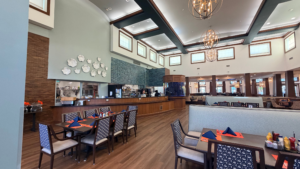
Healthcare: Plan Around Patients, Staff & Operations
Healthcare environments require a different approach to painting and renovation.
Hospitals, medical offices, outpatient facilities, senior living communities, rehabilitation centers and other healthcare properties may operate for long hours or around the clock. That means improvements need to be planned carefully around patients, residents, employees, visitors and facility operations.
When preparing a healthcare property budget, consider:
- Patient and resident rooms
- Hallways and corridors
- Waiting areas
- Offices
- Nurses’ stations
- Common areas
- Dining spaces
- High-traffic walls and surfaces
- Flooring
- Drywall repairs
- Interior painting
- Exterior maintenance
Healthcare facility teams should also think beyond the construction itself. Scheduling, work-area separation, access, cleanliness, communication and minimizing disruptions can all influence how a project needs to be performed.
Healthcare Budget Tip
Identify projects early and discuss operational restrictions before finalizing the budget. Knowing that work must happen during certain hours, in stages or around occupied areas can make it easier to develop a realistic scope, schedule and budget.
Don’t Wait Until You’re Ready to Start
One of the biggest mistakes during budget season is waiting until the project needs to begin before talking with a contractor. Start the conversation earlier. A professional painting and renovation contractor can walk the property with you, discuss upcoming needs, help identify potential projects, develop scopes, and provide budgeting information. That can give your team better information when deciding which projects should happen first, which can wait, and which may need to be phased over multiple budget cycles.
Plan Now, re:lax Later
A little planning during budget season can make the rest of the year much easier. Whether you’re looking to use remaining funds on worthwhile improvements or you’re developing next year’s capital and maintenance plans, re:fab Painting & Renovations can help you look ahead. From interior and exterior painting to renovations, flooring, carpentry, drywall and property improvements, our team can help you develop a plan that works around your property, schedule and budget.
With over 30 years over experience planning for your budget next year is no new thing to us! Contact re:fab today for your free site walk and we’ll help you every step of the way!