When it comes to property maintenance, small details matter more than many people realize. A chipped wall, peeling paint, cracked siding, or stained hallway may seem minor on its own—but left unaddressed, these issues can create a ripple effect that impacts everything from resident satisfaction to long-term property value. This concept is commonly known as the “Broken Window Effect,” and it plays a major role in how properties are perceived, maintained, and respected.
At re:fab, we see the impact of the broken window effect firsthand—and we also see how proactive maintenance and strategic re:fresh projects can stop it before it starts.
What Is the Broken Window Effect?
The broken window effect is based on the idea that visible signs of neglect lead to more neglect. The name comes from the theory that if a broken window is left unrepaired, it sends the message that no one is paying attention. Over time, that message can lead to additional damage, disorder, and deterioration.
In property management terms, this means:
- When small issues are ignored, larger issues tend to follow
- Residents and visitors may treat a space with less care
- Minor cosmetic problems can turn into costly repairs
It’s not about perfection—it’s about showing that a property is cared for.
How the Broken Window Effect Shows Up in Properties
High-traffic and shared spaces are often where the broken window effect appears first. Some common examples include:
- Scuffed or peeling paint in hallways and stairwells
- Cracked walls or unpatched holes near doors and elevators
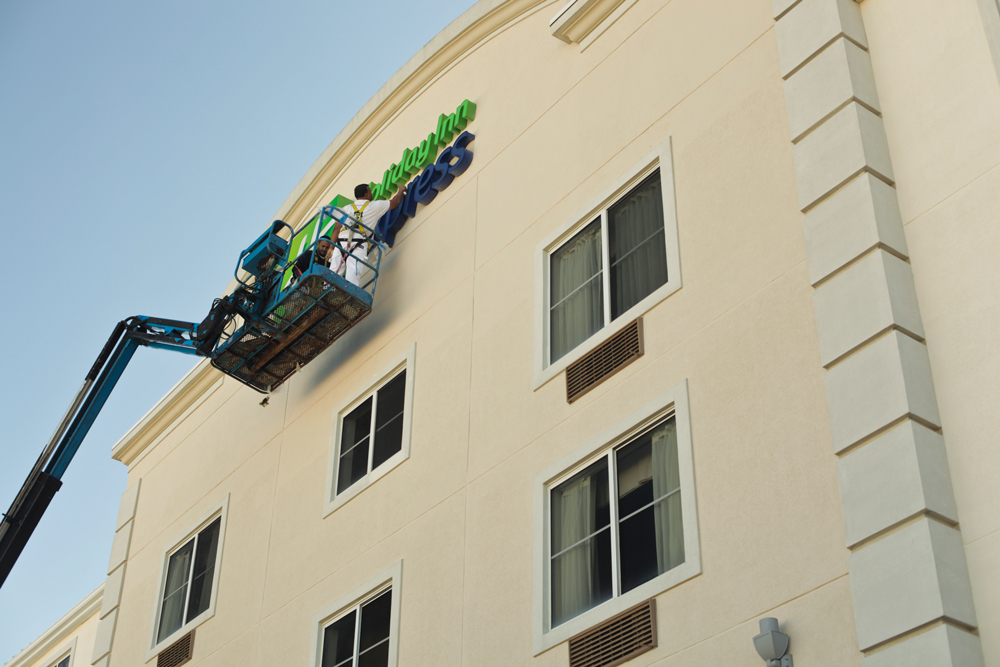
- Faded, worn exterior paint or damaged trim
- Graffiti, stains, or marks that are never fully addressed
When these issues remain visible, they subtly signal that maintenance isn’t a priority—even if that’s not the case behind the scenes.
Why Small Repairs Make a Big Difference
Addressing minor issues early helps prevent:
- Increased wear and tear in high-traffic areas
- Escalating repair costs caused by water intrusion or material failure
- Negative first impressions from prospective residents or tenants
- Lower resident pride and respect for shared spaces
On the flip side, regularly maintained properties:
- Feel safer and more welcoming
- Encourage residents to take better care of their surroundings
- Protect long-term investment value
- Reduce emergency repair costs over time
A fresh coat of paint or a re:freshed common area doesn’t just look better—it changes how the space is treated.
Paint and Maintenance as Preventative Tools
One of the most effective ways to combat the broken window effect is through consistent painting and maintenance programs, especially in high-use areas.
Strategic re:painting can:
- Cover existing damage before it spreads
- Protect surfaces from moisture and daily wear
- Improve lighting and visibility indoors
- Create a cleaner, more professional appearance
Using the right materials—such as durable, scuff-resistant paints and proper primers—also ensures that improvements last longer and stand up to daily use.
High-Traffic Areas Deserve Special Attention
Areas like:
- Entryways and lobbies
- Hallways and corridors
- Stairwells
- Elevator interiors
- Amenity spaces
experience more contact and movement than other parts of a property. These spaces are often the first to show signs of neglect—and the first places where a proactive re:fresh can make a noticeable difference.
Creating a regular schedule to inspect and address these areas helps stop small issues from turning into larger problems.
Proactive Maintenance Saves Time and Money
Waiting until multiple issues pile up often leads to:
- Larger, phased projects instead of quick touch-ups
- Disruptions to residents and daily operations
- Higher labor and material costs
By staying ahead of wear and tear, property teams can:
- Plan projects instead of reacting to them
- Spread costs out more predictably
- Maintain a consistently positive appearance year-round
Preventative maintenance isn’t just easier—it’s more efficient.
How re:fab Helps Break the Cycle
At re:fab, we partner with property managers and owners to:
- Identify problem areas before they escalate
- Use the right products for durability and longevity
- Coordinate work to minimize disruption
- Deliver projects on-time, on-budget, and built to last
Our approach focuses on re:painting, re:freshing, and re:modeling spaces in a way that supports long-term success—not just short-term fixes.
A Well-Maintained Property Tells a Story
Every property tells a story the moment someone walks in. Clean, well-maintained spaces say: This property is cared for. This is a place people respect.
Addressing small issues before they grow is one of the most effective ways to protect your property, your reputation, and your investment.
If you’re ready to re:fresh your space and stop the broken window effect before it starts, re:fab is here to help. Contact re:fab today for your free site walk and estimate!